Elder Neglect Guide: Addressing Abuse and Ensuring Safety
Injury Lawyer: Professional Legal Representation for Individuals Hurt in Accidents
Personal injury law fulfills a vital purpose for people injured in accidents. Victims often face an overwhelming journey marked by legal complexities and emotional strain. A personal injury lawyer steps in to provide essential guidance, ensuring that clients grasp their rights and options. They maneuver through the complexities of the claim process, fighting for fair compensation. However, the journey to justice is not always straightforward. The subsequent actions in this process may significantly impact the outcome.
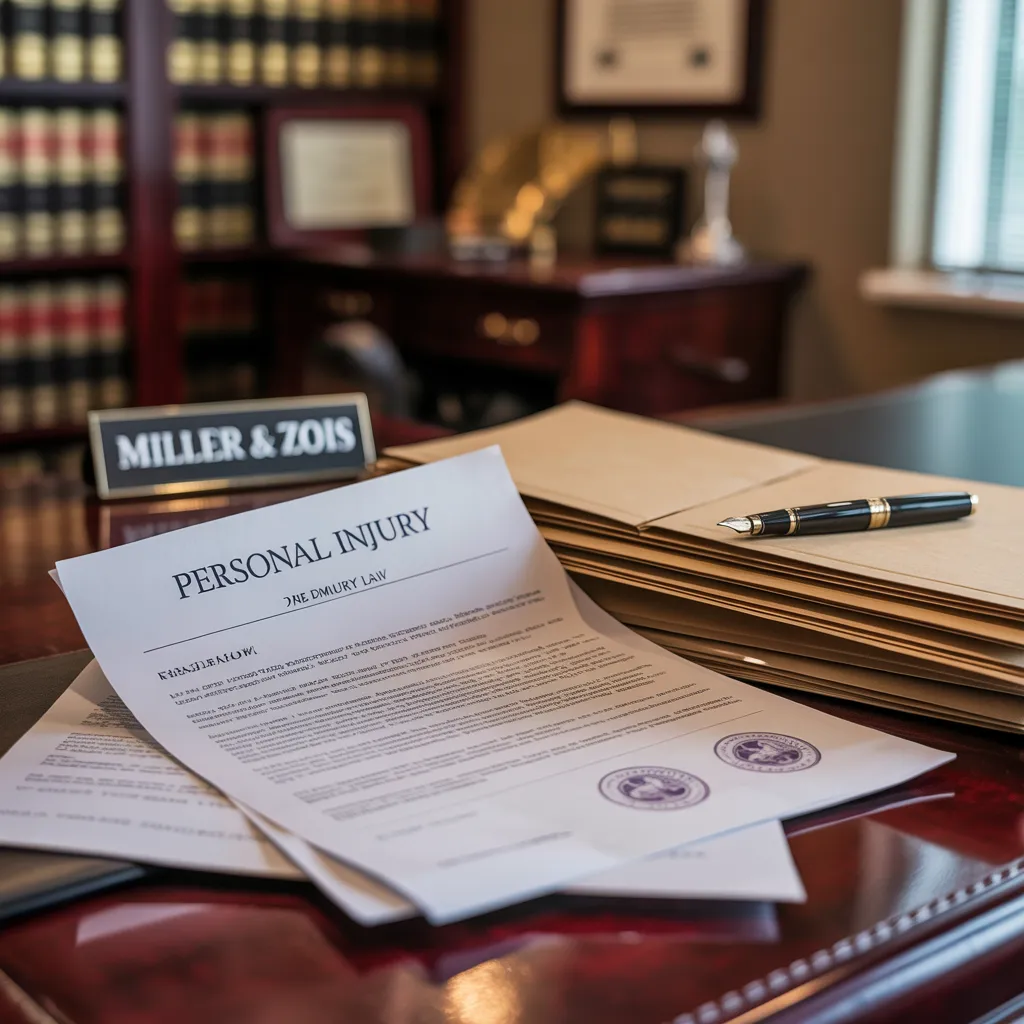
Getting Started With Personal Injury Law: What You Must Know
What key knowledge must one possess to explore the world of personal injury law? Knowing key concepts is crucial for anyone trying to grasp this legal field. Personal injury law primarily concentrates on cases where individuals endure harm due to the negligence or wrongful acts of others. It encompasses various types of accidents, including vehicular collisions, slip and falls, and medical malpractice.
Persons should be conscious of the statute of limitations, which establishes the timeframe within which a claim must be filed. Familiarity with terms such as negligence, liability, and damages is also essential. Knowing the value of evidence collection, including documentation of injuries and accident reports, can markedly impact the outcome of a case. Finally, recognizing the role of personal injury lawyers, who provide essential guidance and representation, is critical for traversing this complex legal landscape, ensuring that victims receive the compensation they deserve.
Understanding the Personal Injury Claim Process: A Step-by-Step Guide
Steering the personal injury claim process demands a clear understanding of your rights and what you're entitled to. Important evidence must be obtained to bolster a case, while competent negotiation abilities are critical for acquiring fair compensation. This guide will explain the key steps necessary for each of these important areas.
Understanding Your Rights
Comprehending an individual's rights concerning a personal injury claim is vital for individuals seeking compensation after an accident. Accident victims are able to seek damages for medical bills, lost wages, pain and suffering, and other associated costs. It is important for individuals to recognize the statute of limitations, which sets a deadline for filing a claim. Furthermore, victims have the right to pursue compensation from negligent parties, including insurance companies, and can opt to negotiate settlements or proceed to litigation. Hiring a personal injury lawyer can help victims navigate these complexities, guaranteeing their rights are protected throughout the process. Finally, understanding these rights allows victims to make informed decisions regarding their claims.
Compiling Critical Evidence
Gathering evidence is a fundamental step in the personal injury claim process that directly influences the outcome of a case. Crucial evidence includes medical records, photographs of the accident scene, witness statements, and police reports. Each piece of evidence helps prove liability and demonstrate the severity of injuries. Accident victims should also maintain a detailed account of their recovery process, including medical treatments and expenses, as this documentation reinforces their claims. Additionally, collecting information about the other party involved, such as insurance details, is vital. Engaging a personal injury lawyer can additionally streamline this process, ensuring that all relevant evidence is meticulously gathered and preserved, ultimately strengthening the victim's case for compensation.
Negotiating Just Compensation
How do accident victims effectively negotiate fair compensation for their injuries? To begin, they should grasp the full extent of their damages, including medical costs, lost wages, and pain and suffering. Assembling thorough evidence, such as medical records and witness statements, strengthens their position. After that, victims must establish clear communication with insurance adjusters, presenting a well-organized claim that outlines all relevant facts and documentation. It is essential to remain patient and avoid settling for the first offer, as initial proposals are often lower than warranted. Accident victims may benefit from consulting a personal injury lawyer, who can provide expertise in negotiations and confirm that their rights are protected throughout the process. Ultimately, persistence and preparation are key to achieving fair compensation.
The Function of a Personal Injury Attorney in Your Case
A personal injury lawyer plays an essential role in evaluating the specific elements of a case and determining its prospects for a favorable outcome. They implement strategic negotiation and settlement methods to maximize compensation for their clients. Understanding these elements is crucial for anyone exploring legal representation in a personal injury claim.
Case Assessment Process
Several individuals misjudge the intricacy of personal injury cases, which is where the specialized skills of a personal injury lawyer becomes crucial during the case evaluation process. This process generally begins with the lawyer collecting important information, including medical records, accident reports, and witness statements. A complete assessment of the facts allows the lawyer to determine potential liability and damages. They evaluate the case's strengths and weaknesses, which assists in determining the viability of pursuing a claim. In addition, the personal injury lawyer provides clients with a realistic picture of potential outcomes, ensuring they understand their options. By drawing upon their experience, these lawyers can offer important insights that help clients make educated decisions about the next steps in their legal proceedings.
Settlement and Negotiation Strategies
When pursuing a personal injury claim can be demanding, the role of a personal injury lawyer in negotiating settlements is vital for achieving a fair resolution. These legal professionals have the expertise to determine the value of a claim accurately and understand the complexities of insurance negotiations. They utilize their knowledge of applicable laws and precedents to advocate effectively for their clients. By assembling evidence, such as medical records and witness statements, personal injury lawyers build a compelling case that supports their settlement demands. Additionally, they are proficient in managing communication with insurance companies, guaranteeing that clients are not pressured into accepting inadequate offers. Ultimately, their negotiation strategies work to secure maximum compensation for clients, easing the financial burdens resulting from accidents.
Particular Categories of Personal Injury Claims and How Attorneys Can Assist
Personal injury cases encompass a wide range of incidents, from car accidents and slip-and-fall incidents to medical malpractice and product liability claims. Every case category brings distinct obstacles that require specialized legal expertise. For instance, in car accident cases, lawyers collect evidence, assess liability, and negotiate with insurance companies to secure fair compensation for victims. In slip-and-fall situations, attorneys investigate safety violations and establish premises liability. Medical malpractice cases involve complex medical records and expert witness testimonies to prove negligence by healthcare professionals. Product liability claims demand thorough analysis of manufacturing practices and safety standards. Personal injury lawyers play an vital role in maneuvering the intricacies of these cases, ensuring victims understand their rights and options. By leveraging their expertise, attorneys help clients secure the compensation they deserve for medical expenses, lost wages, and pain and suffering resulting from their injuries.
Selecting the Right Personal Injury Legal Representative
Picking the right personal injury legal representative can greatly impact the outcome of a case. Future clients should consider several key factors when making this crucial choice. First, it is vital to examine the attorney's experience specifically in personal injury law, as this expertise can provide invaluable insights and strategies. Moreover, reviewing their track record of successful cases can help assess their effectiveness in securing advantageous settlements or verdicts.
Prospective clients ought to evaluate the lawyer's communication style and approachability, as a strong attorney-client relationship can improve collaboration throughout the legal process. Additionally, understanding the fee structure is crucial; many personal injury lawyers function on a contingency fee basis, meaning they only get paid if the client wins the case. Finally, seeking recommendations from friends or family, or reading online reviews, can deliver additional guidance in selecting a qualified and dependable personal injury lawyer.
Key Pitfalls to Steer Clear Of in Your Personal Injury Claim
As people pursue a personal injury claim, overlooking critical details can greatly undermine their case. One typical mistake is failing to document the incident properly. Without concrete evidence, such as photos, witness statements, and medical records, establishing liability becomes difficult. Also, waiting to seek medical treatment can weaken a claim; quick medical attention not only secures proper recovery but also serves as vital documentation of injuries.
A further mistake is giving recorded statements to insurance firms without legal representation, which can cause unintentional admissions that undermine the claim. Moreover, many individuals undervalue the long-term consequences of their injuries, agreeing to less than they deserve. Lastly, neglecting to adhere to statutory deadlines can result in losing the right to file a claim altogether. Avoiding these mistakes is essential for maximizing the chances of a find the facts successful personal injury claim.
What to Anticipate During Your Personal Injury Lawyer Consultation?
What should one expect during a consultation with a personal injury legal professional? Initially, the attorney will perform a detailed review of the incident details, asking detailed questions about the accident, injuries, and any medical treatment obtained. This discussion helps the attorney determine the viability of the claim and the potential for monetary recovery.
Following this, the lawyer will clarify the legal process, describing possible outcomes and strategies adapted to the client's case. The client may also ask about the attorney's experience, fees, and the schedule for the case.
Moreover, the consultation offers an opportunity for the client to express any concerns or expectations related to their case. At the conclusion of the meeting, the lawyer will generally provide recommendations on the next steps, making sure the client feels informed and supported moving forward. In summary, the consultation serves as a essential step in the pursuit of justice for accident victims.
FAQ
What Are the Standard Charges for Personal Injury Attorneys?
Personal injury attorneys generally charge a contingency fee, spanning from 25% to 40% of the settlement amount. This fee structure permits clients to pay only if they prevail in their case, reducing upfront financial burdens.
What Is the Expected Time Frame to Resolve a Personal Injury Case?
The typical timeframe for resolving a personal injury case spans from several months to a few years. Several factors impact this timeline, including the complexity of the case, negotiation procedures, and court availability, significantly influencing resolution timeframes.
Can I Represent Myself in a Personal Injury Claim?
It is possible for individuals to handle their own personal injury claim representation. That said, self-representation may create obstacles in managing legal complexities, grasping procedural requirements, and competently negotiating settlements, potentially impacting the outcome of their case.
What if I'm Partially Responsible for the Accident?
Should the accident be partially your fault, pursuing a claim remains possible. However, your compensation could be reduced based on your percentage of fault, highlighting why it's crucial to understand liability in personal injury matters.
How Do I Determine if My Personal Injury Case is Valid?
To identify whether a valid personal injury case exists, one must evaluate factors including negligence, the magnitude of injuries, and whether damages can be proven. Seeking guidance from legal experts can offer clarity and guidance in this assessment.